A place in the story
Nzulezu Stilt Village
A living community reached by canoe across Lake Tadane, where water is not scenery but the road, workplace and address.
Narration available · 2 min
Listen to the story
Nzulezu Stilt Village, narrated.
Read transcript
A living community reached by canoe across Lake Tadane, where water is not scenery but the road, workplace and address.
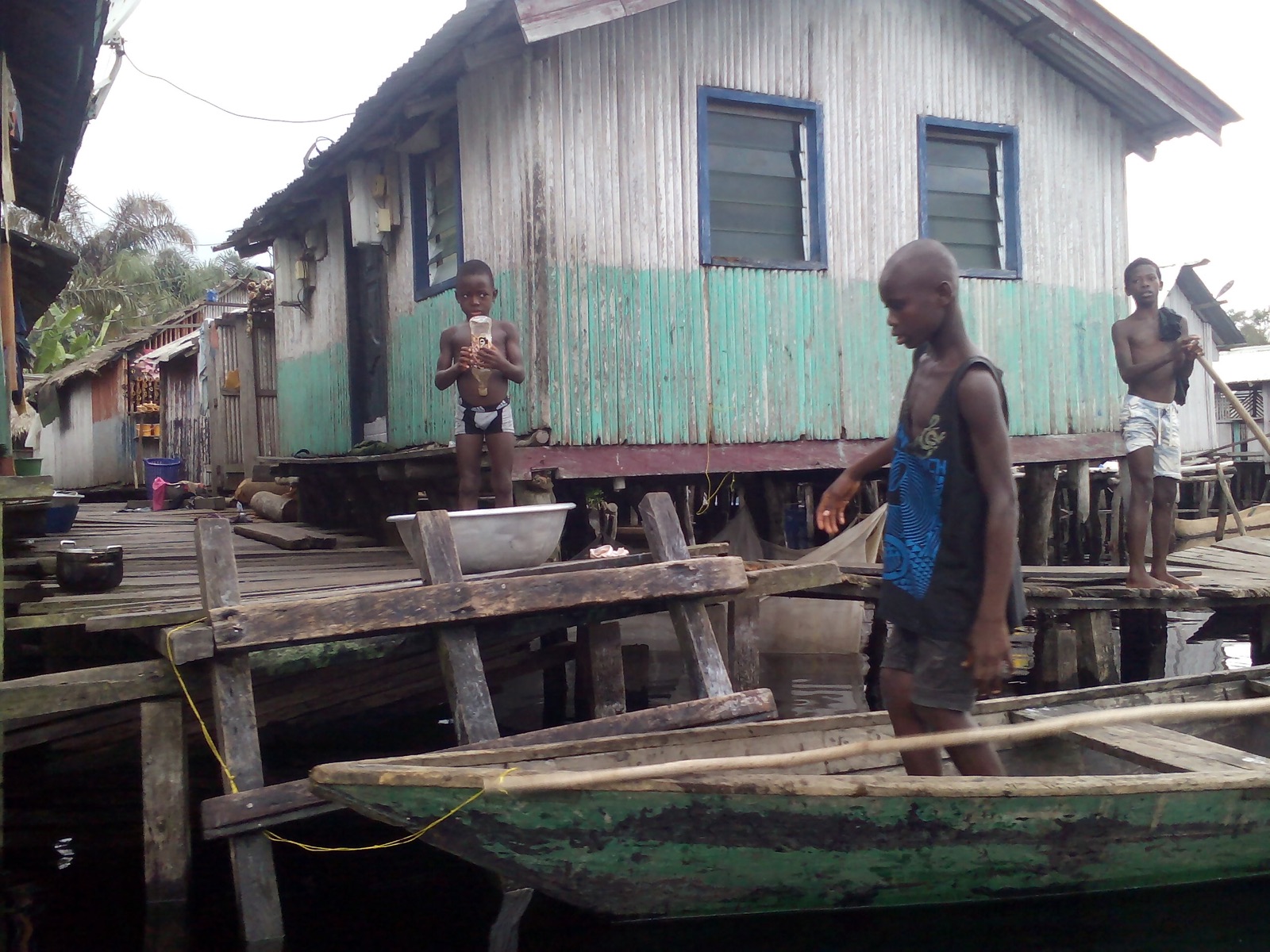
The road becomes water. At Nzulezu, the final stretch of a journey is not a road. Visitors board a canoe and move through wetland toward houses standing above Lake Tadane. The change in transport explains the place before any guide gives a speech. Water determines distance, access and daily routine. The village is often introduced as unusual, but that word can make a living settlement sound like an exhibit. It is better understood as a community with a particular relationship to its environment.
A settlement built around a lake. Stilt construction is not a visual trick. It is an answer to a wetland setting, shaped by local knowledge, materials and generations of adaptation. Homes, walkways and canoes organise movement differently from a city street. The experience invites a question about development: what happens when infrastructure assumes that every community should become more like the mainland? Nzulezu's architecture has practical value, cultural meaning and vulnerability. A visit should make all three visible.
Look, listen and leave lightly. The lake is beautiful, but the people who live there are not part of a performance. Keep noise down, ask before photographing homes or residents and follow the community's guidance. Confirm canoe and access conditions before travelling because water levels and local arrangements can change. Nzulezu connects Ghana's heritage conversation to wetlands, climate and community tourism. The most respectful visitor leaves with a better understanding of how a place works, not just a picture of how it looks. Read this place alongside the people who maintain it. A landmark becomes useful when it changes what you notice next: the road into a town, the work around a museum, the river beyond a view, or the memory a guide chooses to explain.
Nzulezu makes a wetland settlement's architecture and daily life visible without separating heritage from the people who still live there.
The road becomes water
At Nzulezu, the final stretch of a journey is not a road. Visitors board a canoe and move through wetland toward houses standing above Lake Tadane. The change in transport explains the place before any guide gives a speech. Water determines distance, access and daily routine. The village is often introduced as unusual, but that word can make a living settlement sound like an exhibit. It is better understood as a community with a particular relationship to its environment.
A settlement built around a lake
Stilt construction is not a visual trick. It is an answer to a wetland setting, shaped by local knowledge, materials and generations of adaptation. Homes, walkways and canoes organise movement differently from a city street. The experience invites a question about development: what happens when infrastructure assumes that every community should become more like the mainland? Nzulezu's architecture has practical value, cultural meaning and vulnerability. A visit should make all three visible.
Look, listen and leave lightly
The lake is beautiful, but the people who live there are not part of a performance. Keep noise down, ask before photographing homes or residents and follow the community's guidance. Confirm canoe and access conditions before travelling because water levels and local arrangements can change. Nzulezu connects Ghana's heritage conversation to wetlands, climate and community tourism. The most respectful visitor leaves with a better understanding of how a place works, not just a picture of how it looks. Read this place alongside the people who maintain it. A landmark becomes useful when it changes what you notice next: the road into a town, the work around a museum, the river beyond a view, or the memory a guide chooses to explain.
Why this place matters
Nzulezu makes a wetland settlement's architecture and daily life visible without separating heritage from the people who still live there.
Visiting with care: The final approach is by canoe. Follow local guidance, ask before taking photographs and allow for changing water conditions.
Where this is today
Nzulezu Stilt Village
Western Region · Exact surviving site
Open modern mapSources
Read the references behind this story.
Image credit: AfroAdventure via Wikimedia Commons · Image source
 Continue to Aburi Botanical GardensAburi Botanical GardensA hill-country garden above Accra where old trees, cooler air and patient walking make the landscape part of the story.