A place in the story
Okomfo Anokye Sword Site
A Kumasi heritage site where Asante foundation traditions meet questions about evidence, sacred memory and political origin.
Narration available · 2 min
Listen to the story
Okomfo Anokye Sword Site, narrated.
Read transcript
A Kumasi heritage site where Asante foundation traditions meet questions about evidence, sacred memory and political origin.
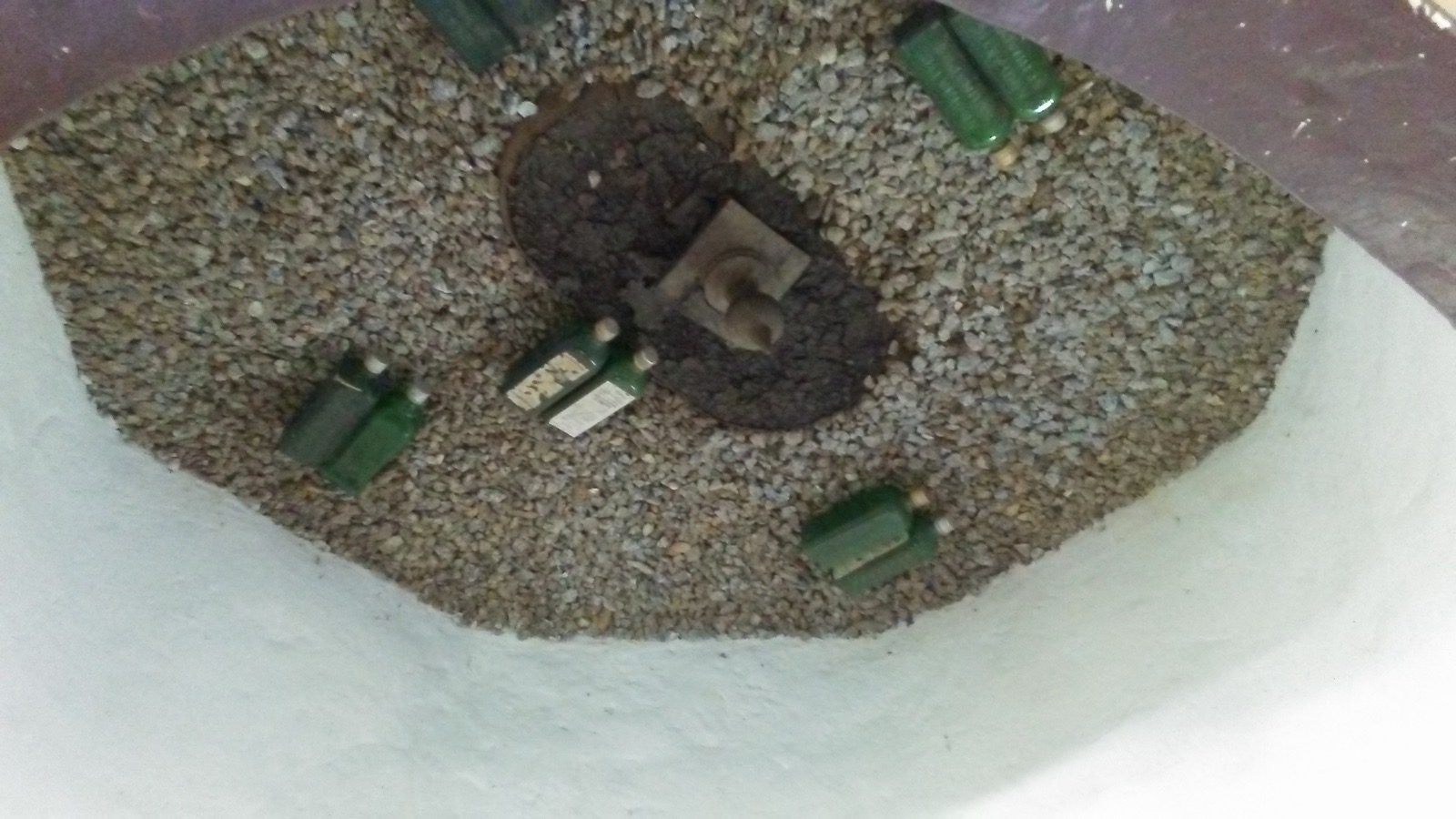
The foundation story. The Okomfo Anokye Sword Site is associated with the story that the priest Okomfo Anokye caused a sword to become fixed in the ground, marking a foundation point for Asante political unity. The account is part of powerful Asante tradition and identity. It should be introduced as a tradition and sacred memory, not silently converted into a claim that archaeology can prove every detail of the story.
Politics and memory. Origin stories do political work. They explain why a union matters, how authority is connected to founders and why a place deserves respect. Asante state formation also involved relationships among several Akan states, institutions, military power, trade and the authority of the Asantehene. The sword site gives one entry into that larger history, but it is not a replacement for the evidence of councils, offices, markets and constituent communities.
A site to approach carefully. The site is valuable because it lets visitors see history operating on two levels at once. There is the documented history of Asante political development, and there is the sacred tradition through which communities explain its foundation. Good interpretation keeps both visible without mocking belief or presenting an uncertain tradition as settled chronology. In Kumasi today, the sword becomes an invitation to ask how memory, authority and place help a people carry a long political story forward. The visit works best when curiosity is paired with respect, especially around objects and practices that remain important to worshippers and custodians. That balance makes the story more honest and more interesting. It also leaves room for future generations to interpret the site.
The sword site teaches that historical understanding can respect sacred tradition while separating it from claims requiring different evidence.
The foundation story
The Okomfo Anokye Sword Site is associated with the story that the priest Okomfo Anokye caused a sword to become fixed in the ground, marking a foundation point for Asante political unity. The account is part of powerful Asante tradition and identity. It should be introduced as a tradition and sacred memory, not silently converted into a claim that archaeology can prove every detail of the story.
Politics and memory
Origin stories do political work. They explain why a union matters, how authority is connected to founders and why a place deserves respect. Asante state formation also involved relationships among several Akan states, institutions, military power, trade and the authority of the Asantehene. The sword site gives one entry into that larger history, but it is not a replacement for the evidence of councils, offices, markets and constituent communities.
A site to approach carefully
The site is valuable because it lets visitors see history operating on two levels at once. There is the documented history of Asante political development, and there is the sacred tradition through which communities explain its foundation. Good interpretation keeps both visible without mocking belief or presenting an uncertain tradition as settled chronology. In Kumasi today, the sword becomes an invitation to ask how memory, authority and place help a people carry a long political story forward. The visit works best when curiosity is paired with respect, especially around objects and practices that remain important to worshippers and custodians. That balance makes the story more honest and more interesting. It also leaves room for future generations to interpret the site.
Why this place matters
The sword site teaches that historical understanding can respect sacred tradition while separating it from claims requiring different evidence.
Visiting with care: Follow local guidance around the sacred site and distinguish documented history from oral and religious tradition.
Where this is today
Okomfo Anokye Sword Site
Ashanti Region · Exact surviving site
Open modern mapSources
Read the references behind this story.
Image credit: Caupolicaningles via Wikimedia Commons · Image source
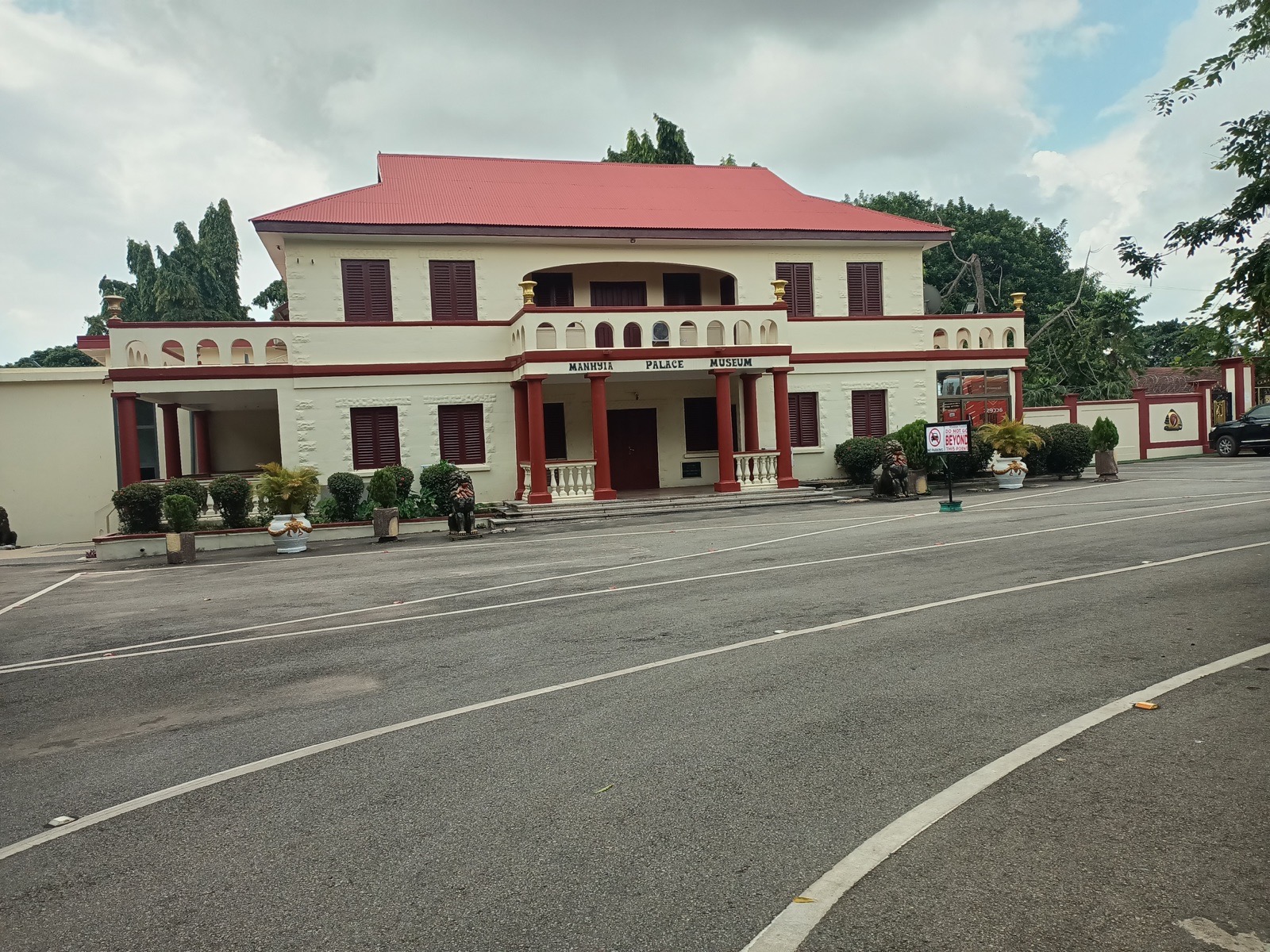 Continue to Manhyia Palace MuseumManhyia Palace MuseumA Kumasi museum that introduces Asante leadership, regalia, memory and the work of cultural governance.